Reviewing the Stay Home Day Design for Embroidery
As a designer who has spent years digitizing and stitching thousands of patterns, I approach every new machine embroidery design with a mix of curiosity and caution. We have all seen trends come and go, but some themes possess a staying power that transcends seasonal fads. The Stay Home Day Design, I Can’t Stay Home is one such piece that caught my eye recently. It speaks to a specific cultural moment while offering a timeless sentiment for healthcare workers and essential staff. When I first loaded the files to evaluate them for a client’s boutique line, I was looking for more than just a cute graphic; I needed a design that would hold up under the needle and resonate with the end buyer.
First Impressions and Visual Personality
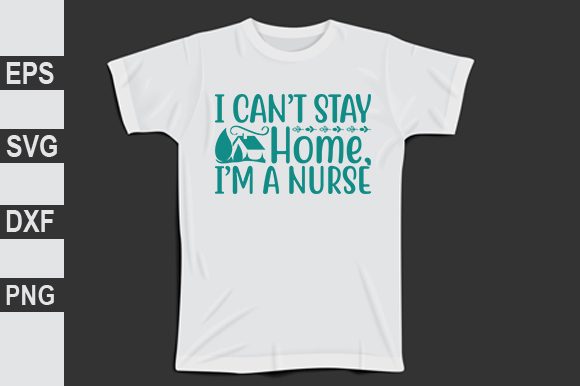
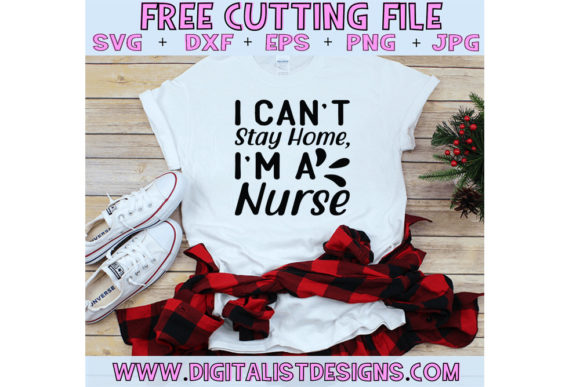
The immediate mood of this design is playful yet defiant. It captures the exhaustion and humor of nurses and medical professionals who became household heroes during recent global events. Visually, the layout balances bold typography with illustrative elements. For an embroidery project, this balance is critical. If the text is too thin, it disappears into the fabric; if the graphics are too dense, the garment becomes stiff. This design seems to strike a middle ground, making it suitable for various applications beyond just standard T-Shirt Designs.
The visual personality is clean and modern. It does not rely on excessive shading or complex gradients, which is a relief for any embroiderer. Complex gradients often require thousands of stitches and can look muddy on textured fabrics. Instead, this design relies on clear shapes and strong lines. This makes it an excellent candidate for both satin stitch outlines and fill stitch areas, ensuring that the final product looks professional rather than homemade in a negative sense.
Real-World Application: The Custom Sweatshirt Test
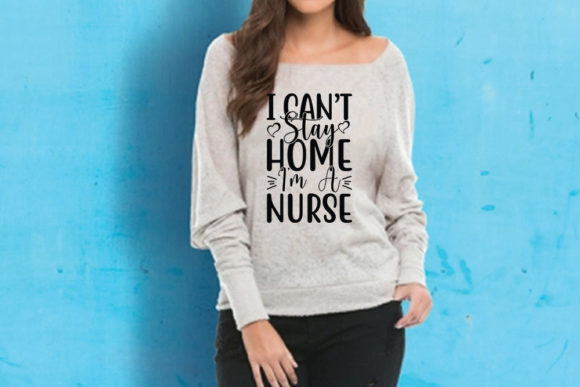
To truly understand how this design performs, I imagined a real-life scenario. A local nurse approached me for a custom gift for her team. She wanted something durable, comfortable, and meaningful. I decided to test the Stay Home Day Design, I Can’t Stay Home on a high-quality cotton-blend sweatshirt. This is a common request for custom apparel, and it presents specific challenges regarding stretch and thickness.
During the stitching process, I noted that the design’s structure held up well against the fleece texture. The key here is the stitch density. If a design is too dense, it pulls the fabric, causing puckering around the edges. If it is too sparse, the background fabric shows through, ruining the visual impact. This design appeared to have a balanced density, allowing the thread colors to pop without distorting the garment. The result was a crisp, legible message that felt integrated into the fabric rather than just sitting on top of it.
Versatility Across Product Lines
While sweatshirts are a popular choice, this design’s versatility extends further. For Etsy sellers and small shop product creators, having a design that works across multiple items is invaluable. I can easily see this working as a tote bag design, where the larger surface area allows for a bigger hoop size and more detailed stitching. It would also make a charming addition to kitchen towels or aprons, adding a touch of personality to everyday items.
For those interested in baby embroidery, caution is advised. While the sentiment is sweet, the size of the lettering might be too small for tiny onesies unless scaled down significantly. Always check the minimum readable size before committing to small garments. However, for older children’s clothing or nursery decor like pillow covers, it could serve as a comforting reminder of the caregivers in their lives.
Technical Considerations for Embroiderers
Before running this design on your machine, there are several practical steps to take. First, always test the design on scrap fabric that matches your final project material. Fabric texture plays a huge role in how stitches lay down. A smooth cotton will show every detail, while a rough linen might hide finer points. Use a proper stabilizer to support the fabric, especially if you are working with stretchy materials like jersey knits or caps.
Thread color contrast is another critical factor. Since this design includes text, ensure that your thread color stands out against the fabric background. Dark threads on dark fabrics will render the message invisible. I recommend creating a printable mockup or using digital software to preview the design in black and white. This helps identify potential clarity issues before you waste thread and time.
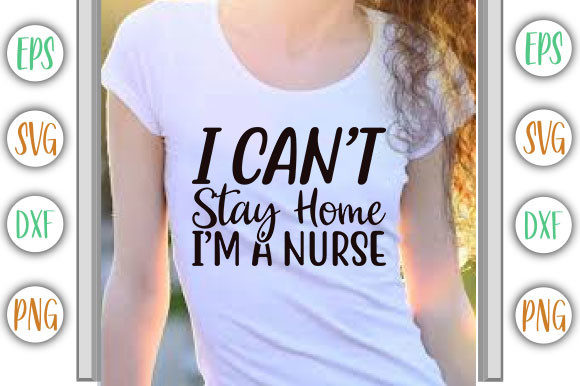
The product description mentions that the ZIP file contains EPS, SVG, PNG, and DXF files. It is important to note that these are primarily vector and raster graphics formats, often used for cutting machines or printing. For machine embroidery, you typically need specific stitch files like PES, DST, or JEF. If you are planning to use this for commercial embroidery, verify whether stitch files are included or if you need to digitize these graphics yourself. If you are using it for printed Graphics on t-shirts, the provided formats are perfect. However, for actual stitching, ensure you have the correct file type for your machine.
Navigating Potential Pitfalls
There are areas where this design requires careful handling. Small hoop sizes can be tricky if the design is large. You may need to split the design or choose a smaller placement area, such as the left chest of a shirt. Curved surfaces like caps require additional stabilization and possibly a different digitizing approach to prevent distortion. Also, be mindful of dense stitch areas. If the design has solid blocks of color, ensure your machine can handle the thread buildup without breaking needles or tangling bobbin thread.
For holiday embroidery or gift-giving seasons, this design offers a unique angle. It is not just a generic "thank you" note; it is a specific acknowledgment of sacrifice and duty. This emotional connection increases the perceived value of the handmade product. Customers are willing to pay more for items that feel personal and relevant. By positioning this as a personalized gift for nurses, teachers, or essential workers, you tap into a market that values recognition and quality.
Final Verdict for Craft Business Owners
In the world of craft business and design assets, reliability is key. The Stay Home Day Design, I Can’t Stay Home offers a solid foundation for various projects. It is visually appealing, emotionally resonant, and technically manageable for intermediate to advanced embroiderers. Whether you are creating an embroidered patch for a uniform or a statement piece for a casual wardrobe, this design delivers.
Remember to check licensing terms before selling finished items. Some designers allow commercial use of the physical product but restrict the sale of the digital file itself. Always respect intellectual property to maintain professionalism and trust in your brand. With the right preparation and attention to detail, this design can become a staple in your portfolio, attracting buyers who appreciate both style and substance.
Ultimately, the success of any embroidery project depends on the synergy between design, material, and technique. This design provides the creative spark; your skill provides the finish. By testing thoroughly and understanding the nuances of your materials, you can create a finished product that not only looks good but feels good to wear and give.