I Can’t Stay Home: A Designer’s Take on Nurse Embroidery
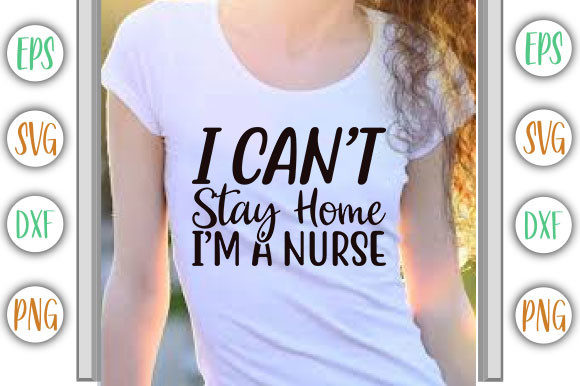
As a designer who has spent years digitizing and reviewing embroidery assets, I have learned that the best designs are not just about aesthetics; they are about communication. When I first opened the file for I Can’t Stay Home, my immediate reaction was one of recognition. This is not merely a graphic; it is a statement piece rooted in the reality of healthcare workers. The phrase "I’m A Nurse" anchors the design, transforming it from a simple slogan into a badge of professional identity. For those of us creating custom apparel or handmade products, understanding the weight of this message is crucial before we even thread the needle.
First Impressions and Visual Personality
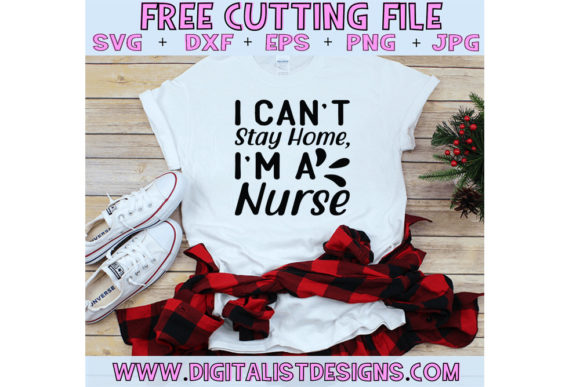
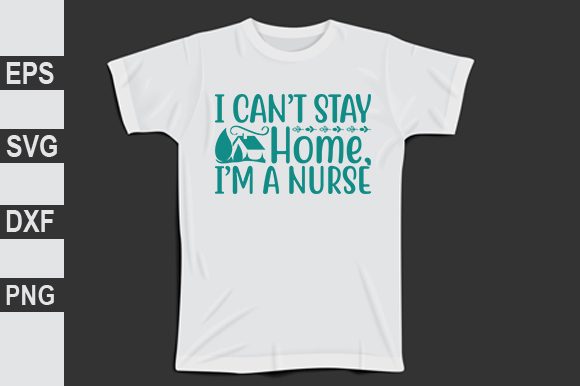
The layout of this design feels intentional. It balances the urgency of the statement with the clarity needed for stitching. In the world of T-Shirt Designs and Graphics, clutter is the enemy of legibility. This design avoids unnecessary flourishes that might get lost in translation when converted to thread. The mood it creates is resilient and proud. It speaks to the nurse who works long shifts, the one who cannot simply clock out and disappear. Visually, it possesses a clean personality that lends itself well to various applications, from bold sweatshirt fronts to subtle pocket placements.
When evaluating an embroidery file, I always look at how the shapes interact. Here, the text likely serves as the primary focus. If this were an applique design, I would expect clean cut lines. As a standard stitch-out, the balance between satin stitch borders and fill stitch bodies will determine its durability. The visual appeal lies in its directness. It does not try to be overly decorative; it tries to be seen. This makes it an excellent candidate for commercial embroidery where brand consistency and message clarity are paramount.
Real-World Application: The Custom Sweatshirt Scenario
Let us consider a real-life scenario. Imagine a local boutique owner approaching you for a run of custom gifts for hospital staff during the holidays. They want something durable, professional, yet personal. You choose to apply I Can’t Stay Home to a high-quality fleece sweatshirt. This is where practical design judgment comes into play.
On a thick fabric like fleece, the stitch density becomes critical. If the design is too dense, the fabric will pucker, ruining the finished product. If it is too light, the backing might show through. Because this design relies on text, ensuring that the letters are wide enough to hold a solid fill without becoming a stiff patch of thread is essential. The result should be a soft, flexible embroidery that moves with the garment. For a personalized gift, this level of quality builds customer trust. It shows that you understand both the medium and the recipient.
Beyond sweatshirts, this design translates well to tote bag design projects. A canvas tote with this message serves as a functional accessory for nurses carrying scrubs or books. The sturdy nature of canvas supports heavier stitching, allowing for bolder thread choices. It also works beautifully as an embroidered patch that can be ironed or sewn onto scrub caps or jackets, offering versatility for the end-user.
Navigating Technical Challenges
While the design is strong, there are areas where caution is required. Any designer knows that small details can vanish under the needle. If the font used in I Can’t Stay Home includes thin serifs or tight kerning, these areas need careful review. On textured fabrics or dark materials, low-contrast thread colors can make the text illegible. I always recommend testing the design in black and white mockups first to check for contrast issues.
Curved surfaces present another challenge. Applying this to a cap requires checking the hoop size and ensuring the design fits within the curved area without distortion. Text on hats must be arched or carefully positioned to remain readable from a distance. Similarly, on stretchy fabrics like performance scrubs, using the correct stabilizer is non-negotiable. Without proper stabilization, the stitching may pull and distort over time, especially after frequent washing.
For baby embroidery or delicate items, this design might be too bold unless scaled down significantly. However, even then, tiny lettering can become scratchy and uncomfortable against sensitive skin. It is best suited for adult apparel, home decor like pillow covers, or sturdy accessories where comfort is balanced with durability.
Enhancing Product Value and Brand Consistency
From a business perspective, using a design like I Can’t Stay Home can elevate your Etsy seller profile or small shop product line. It taps into a specific niche with emotional resonance. Customers are not just buying a shirt; they are buying recognition of their hard work. This emotional connection increases buyer engagement and perceived value.
To maintain professionalism, ensure that your thread colors align with medical aesthetics if targeting that market—think crisp whites, calming blues, or bold reds. Consistency in presentation, from your printable mockup images to the actual stitched item, reinforces your brand as a reliable source of quality design assets.
Practical Notes for the Embroiderer
- Test on Scrap Fabric: Always stitch a sample on the same material you intend to use for the final product. This reveals issues with tension and density.
- Check File Formats: The ZIP file contains EPS, SVG, PNG, and DXF files. Ensure you convert or use the appropriate format for your embroidery software. Note that SVG and DXF are vector-based, which is great for resizing, but you must digitize them properly for machine use if they are not already provided as native embroidery formats.
- Verify Licensing: Before selling finished items or digital products, confirm the license terms. Commercial use rights vary, and protecting your craft business is essential.
- Contrast is Key: Use high-contrast thread colors for maximum readability, especially on dark fabrics.
- Stabilizer Selection: Choose a stabilizer that matches the fabric weight. Cut-away stabilizers are often better for garments that will be washed frequently.
In conclusion, I Can’t Stay Home is a versatile and meaningful addition to any designer’s library. It respects the profession it represents while offering the technical flexibility needed for various embroidery projects. By paying attention to detail, fabric choice, and stitching technique, you can create products that are not only visually appealing but also deeply resonant with their wearers.